Learning how to drive is a major milestone, and choosing the right driving school can make all the difference in how confident and prepared you feel behind the wheel. A high-quality program goes far beyond basic instruction—it combines structured classroom learning, hands-on experience, and access to modern tools and resources. From understanding traffic laws to developing real-world driving skills, every element of a comprehensive curriculum is designed to build safe, capable drivers. By knowing what to expect from a professional driving school, you can make an informed decision that sets you up for long-term success on the road.
Comprehensive Curriculum
A professional driving school program typically starts with classroom instruction. This component provides a foundational understanding of traffic laws, road signs, and essential driving principles. Students learn through structured lessons that promote cognitive understanding of driving. Educators employ a variety of instructional methods, including lectures, interactive discussions, and visual aids to ensure engagement. This foundational knowledge prepares students for practical application and helps in reducing anxiety when transitioning to behind-the-wheel sessions.
The curriculum is designed to cover a wide spectrum of theoretical knowledge. Understanding the rules of the road is critical not just for passing written exams but also for safe driving practices. Students are often exposed to situational scenarios to apply theoretical principles in simulated environments. Through case studies and real-world examples, instructors emphasize critical thinking and decision-making skills. Mastery of classroom instruction lays the groundwork for successful and safe driving experiences.
Moreover, classroom instruction often includes an introduction to new technologies in automobiles. Topics such as the impact of technology on traffic safety and emerging trends are discussed to keep students informed. This contemporary knowledge is vital as driving continually evolves with advancements in the automotive industry. As technology becomes an integral part of modern vehicles, understanding its applications can enhance the driving experience. Overall, classroom instruction serves as the cornerstone of a comprehensive driver education program.
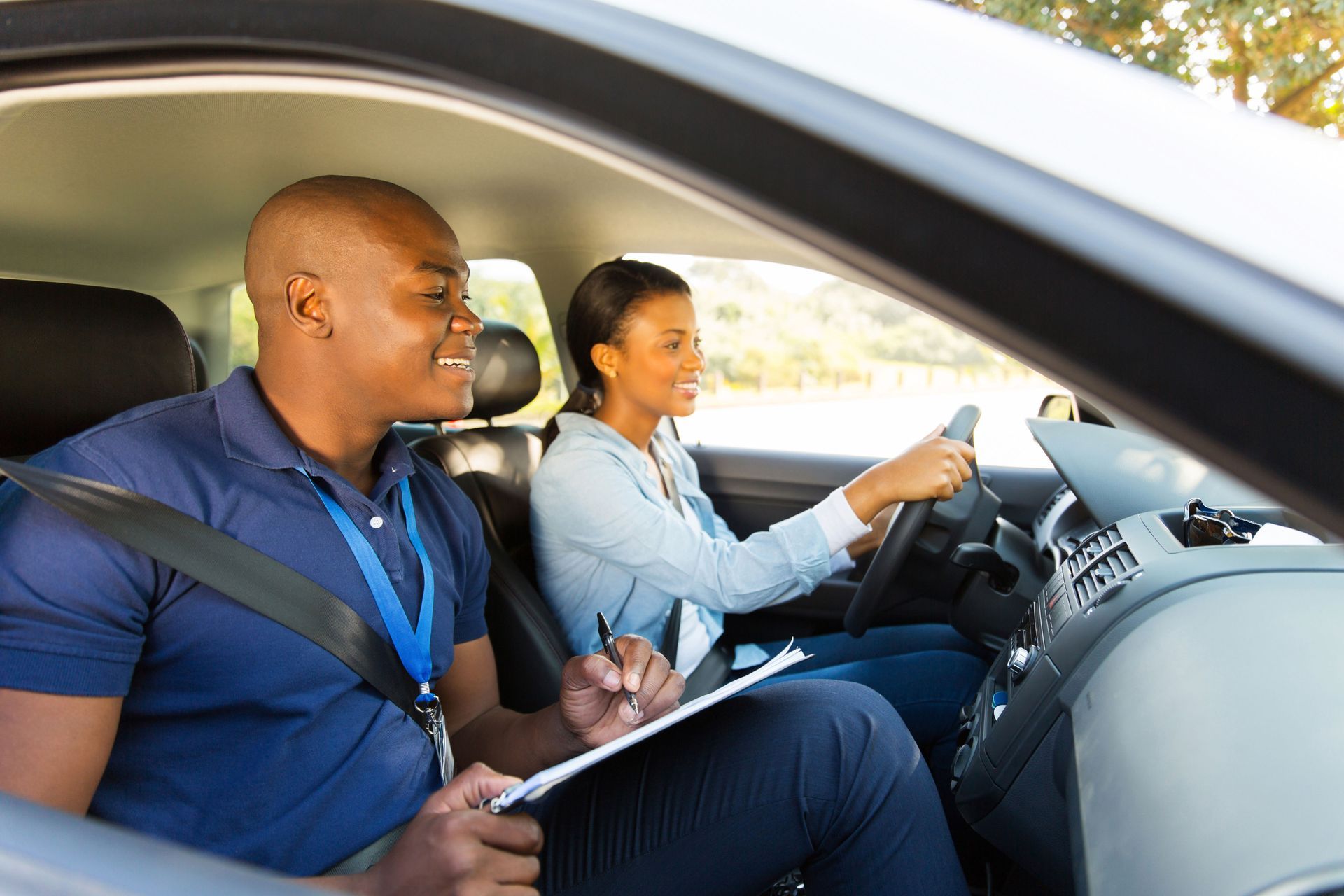
Behind-the-wheel training is a crucial component where learners apply classroom knowledge in real-world scenarios. Conducted under the supervision of experienced instructors, this hands-on practice builds confidence and skill. Each session focuses on different aspects of driving, such as navigating through traffic, parking, and highway driving. Practical training helps in muscle memory development and enhances response times to various driving conditions. This stage is essential for bridging the gap between theoretical knowledge and practical application.
Qualified Instructors
A key component of any professional driving school program is the presence of qualified instructors. Certification ensures that instructors have met rigorous standards required to teach effectively. Experienced instructors bring invaluable knowledge to the program, offering insights that go beyond textbook information. They possess a nuanced understanding of the skills and temperament required to guide novice drivers. Their expertise, developed through years of teaching and driving, enhances the learning experience for students.
Pedagogically trained instructors are equipped to address various learning styles, adapting their methods to suit individual needs. Their certified status guarantees a certain level of professionalism and skill that instills trust in students. By demonstrating strong communication skills, instructors bridge the gap between theory and practice. Their ability to clearly explain complex concepts and anticipate students' questions strengthens the learning process. Moreover, certified instructors often undergo continuous education to keep abreast of industry updates and teaching innovations.
Real-world experience allows instructors to share practical advice and survival tips for complex driving situations. With an understanding of typical learner mistakes, certified instructors can effectively preempt and correct errors. Experience also fosters empathy, as instructors are better able to relate to student anxieties and setbacks. In this supportive environment, learners feel comfortable asking questions and confident in their educational journey. Ultimately, the presence of qualified instructors is integral to the success of any driving school program.
The effectiveness of any driving school program can often be attributed to the teaching methods employed by its instructors. Adapting to varied learning needs, instructors use an array of techniques to convey critical information. Lectures about rules and regulations are supplemented with multimedia resources to aid understanding. Interactive methods, such as group discussions and problem-solving sessions, are employed to engage students actively. This diversified approach ensures that all learners, regardless of their preferred learning style, can absorb and retain information effectively.
Instructors apply a hands-on approach during practical lessons. Demonstrating techniques before allowing students to attempt them ingrains correct habits from the get-go. This step-by-step model of teaching helps in systematically cementing knowledge. In addition to practical instructions, instructors leverage real-life examples to highlight the importance of driving etiquette and safety. This contextual learning reinforces the connection between classroom materials and everyday driving.
State-of-the-Art Facilities
State-of-the-art facilities are pivotal in providing a comprehensive and high-quality driver education experience. At the core of these facilities are modern training vehicles that reflect current automotive standards. Well-maintained and equipped with dual controls, these vehicles ensure safety during training sessions. Students gain firsthand experience with contemporary vehicle systems and features, such as climate control, advanced driver-assistance systems, and electronic stability control. Familiarity with these technologies empowers students to transition seamlessly to their driving endeavors.
Vehicles in driving programs are selected specifically to represent the range of conditions learners may encounter on the road. Instructors guide students in understanding fundamental maintenance tasks, such as checking tire pressure and understanding dashboard warning lights. This knowledge ensures that students are prepared for everyday challenges, such as differentiating necessary maintenance from preventable issues. By driving vehicles that mirror those they will own or encounter, students acquire a practical understanding of their functionalities.
Training vehicles are regularly inspected and updated to maintain standards of protection, reliability, and compliance. These efforts ensure that students have access to clean, safe, and functional automobiles for practice. Driving schools hold themselves accountable to provide an environment where students feel secure and can focus on learning effectively. This commitment to vehicle quality not only enhances the learning experience but also underscores the school's dedication to student safety and success. In summary, modern training vehicles are integral to a driving program's ability to deliver superior education. Did you know? According to Tempo, an average American spends approximately 4.3 years of their lifetime driving in a car.
Driving simulators are an innovative addition to state-of-the-art facilities, offering a controlled and immersive learning experience. These advanced technologies replicate various driving environments, allowing students to practice essential skills without real-world risks. Simulators introduce learners to scenarios such as navigating through heavy traffic, managing adverse weather conditions, and handling sudden obstacles. Through this simulated practice, students can develop their abilities in a safe, guided environment.
One of the primary benefits of simulators is their ability to produce multiple iterations of specific driving scenarios. Instructors can adjust settings to replicate different road conditions, from icy roads to nighttime driving. This flexibility enhances learner competence by allowing practice under challenging, yet instructive circumstances. Students can develop the ability to react instinctively and effectively in unpredictable situations. This accelerated skill acquisition is invaluable as it translates to real-world environments.
With experienced instructors, practical training, and access to advanced facilities like modern vehicles and simulators, students gain a complete learning experience that goes beyond the basics. Investing in professional driver education not only helps you pass your test—it prepares you for a lifetime of responsible driving. If you’re ready to take the next step, reach out to All-Suffolk Auto School today, explore their programs, and start building the skills you need to drive with confidence and safety.